August 8, 2024 • 5 min read
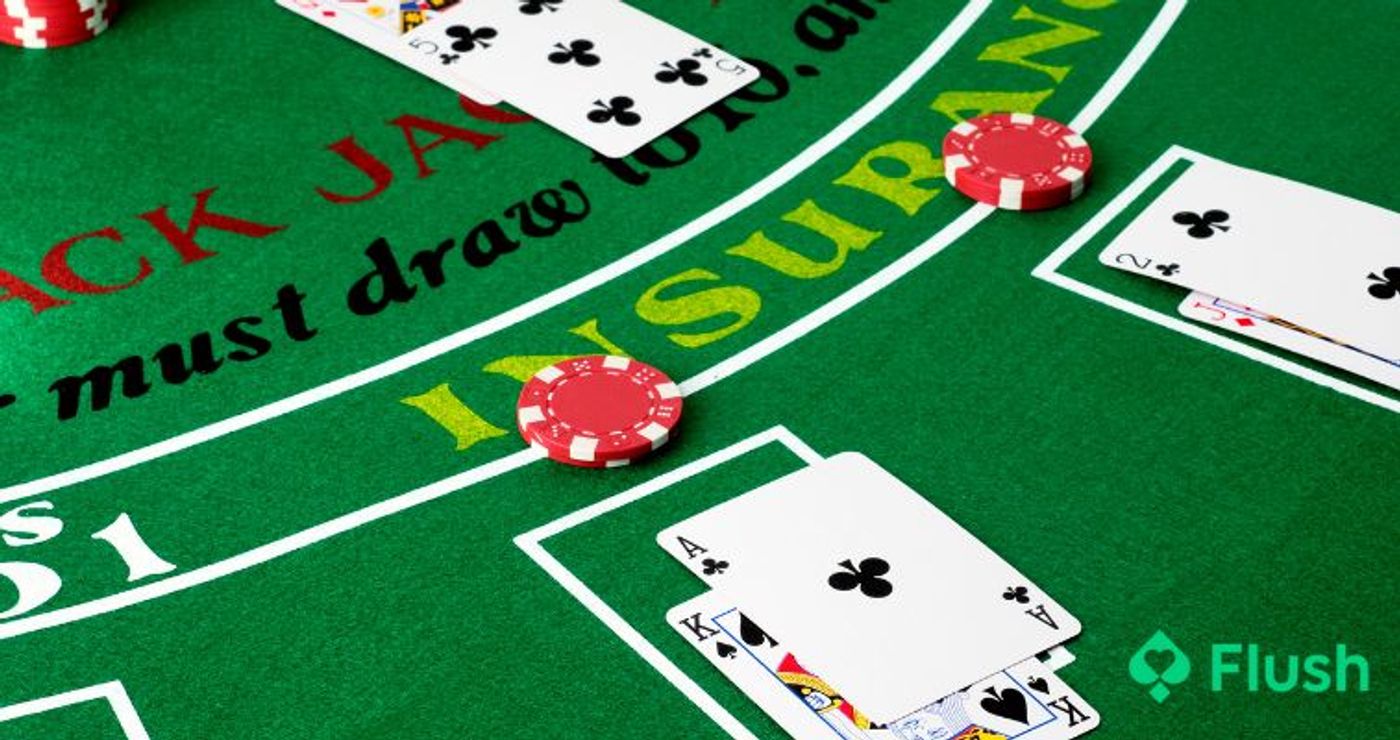
How to Play Blackjack: 7 Pro Tips + 2026 Strategy
Quick Answer
Blackjack, also known as twenty-one, is a classic card game where players try to get closer to 21 than the dealer without going over. The objective is simple - achieve a hand value higher than the dealer's by drawing cards strategically.
Key Facts
| Objective | Get closer to 21 than the dealer without busting |
| Face Card Value | 10 points |
| Ace Value | 1 or 11 points |
| Dealer Rule | Draws until 17 or higher |
| Blackjack Payout | 3:2 (6:5 at some tables) |
| House Edge (Basic Strategy) | About 0.5% |
| Insurance House Edge | About 7% |
| Always Split | Aces and 8s |
| Suggested Bet Size | 1-2% of bankroll per hand |
What is Blackjack? In this beginner's guide, we'll explore the blackjack casino rules, fundamental strategies to reduce the house edge, and provide a breakdown of different blackjack variants you can play online or at the casino.
Understanding Blackjack
How to Play Blackjack:
Blackjack is a card game where the primary objective is to get a hand value as close to 21 as possible without exceeding it. Each card has a specific value:
- Number cards (2-10) are worth their face value
- Face cards (Jack, Queen, King) are worth 10 points
- Aces can be counted as 1 or 11 points
Players aim to have a higher hand value than the dealer without going over 21, which is known as "busting" or "breaking." A hand value of 17 or higher is generally considered a good hand.
Dealing and Gameplay
- Players place their bets before the cards are dealt.
- Each player receives two cards, dealt face up.
- The dealer also receives two cards, with one card face up and the other face down.
- Players can choose to:
- "Hit" (receive another card)
- "Stand" (keep their current hand)
- "Double Down" (double their bet and receive one more card)
- "Split" (if they have a pair, split them into two separate hands)
- "Take Insurance" (if the dealer's face-up card is an Ace)
- The dealer must take additional cards until their hand value reaches 17 or higher.
Winning and Payouts
- If the player's hand is closer to 21 than the dealer's hand, the player wins and receives a payout equal to their original bet.
- If the player's first two cards are an Ace and a 10-value card (Blackjack), they receive a higher payout, typically 3:2 or 6:5, depending on the game rules.
- If the player and dealer have the same hand value, it's a "push," and the player's bet is returned.
- If the player busts (goes over 21), they lose their bet, regardless of the dealer's hand.
Game Variants
While the core blackjack rules remain the same, blackjack can have different rule variations based on the number of decks used, dealing styles (Nevada Deal or London Deal), and specific rules like whether the dealer hits or stands on a soft 17.
Playing Blackjack
Getting Started
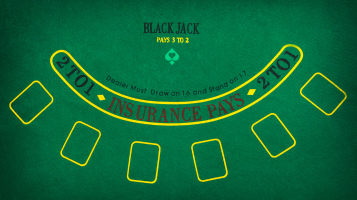
To begin playing blackjack, players need to place their bet on the designated betting circle. Minimum and maximum bet limits are usually posted on the blackjack table. Once the bets are placed, each player is dealt two cards face up.
Making Decisions
After receiving their initial two cards, players must decide whether to "hit" (take another card) or "stand" (keep their current hand). This decision should be based on the total value of their hand and the dealer's face-up card. Here are some basic guidelines:
- Hit if your hand value is between 12 and 16, and the dealer's face-up card is 7 or higher.
- Stand if your hand value is 17 or higher.
- Double Down on 10 or 11 if the dealer's face-up card is 9 or lower.
- Always Split aces and 8s.
The Dealer's Turn
After all players have acted on their hands, the dealer reveals their face-down card and follows predetermined blackjack rules. The dealer must hit until their hand value reaches 17 or higher. If neither the player nor the dealer busts (goes over 21), the person with the highest hand value wins.
Blackjack Basic Strategy
To increase your chances of winning, it's essential to understand and follow basic blackjack strategy. Here are some fundamental guidelines:
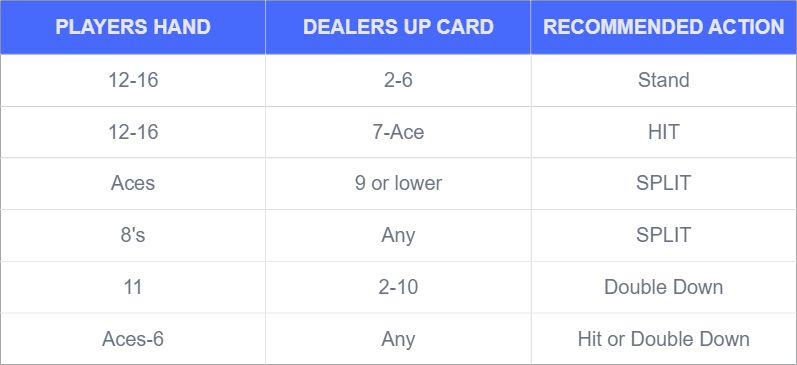
The image below shows what you should do in certain situations: (Your Hand, Dealer's Up Card, Recommended Actions)
Bankroll Management
Effective bankroll management is crucial for responsible and sustainable play. Here are some blackjack tips:
- Set a budget and bet no more than 1-2% of your bankroll per hand.
- Avoid insurance bets, as they have a negative expected value.
Practice and Mindset
While practicing at casinos, start with small bets to get comfortable with the live blackjack environment. Observe experienced players and interact with the dealer to learn. Focus on refining your strategy and building confidence.
Embrace a positive mindset by understanding that blackjack involves probability and accepting both winning and losing streaks. Stay calm, focused, and confident to make better decisions.
Blackjack Strategies
Fundamental Strategies
- Assume the dealer's face-down card is worth 10. This conservative approach helps you make informed decisions based on the worst-case scenario.
- Follow the "hit or stand" guidelines
- Hit if your hand value is between 12 and 16, and the dealer's face-up card is 7 or higher.
- Stand if your hand value is 17 or higher.
- Double down when your hand value is 10 or 11, and the dealer's face-up card is 9 or lower. This strategy increases your potential payout when you have a favorable hand.
- Always split aces and 8s. Splitting these hands can significantly improve your chances of winning.
- Aim for a hand value of 18 or higher if the dealer shows a 7 or higher face-up card. A strong hand is necessary to beat the dealer's potentially high hand.
Advanced Techniques
This basic blackjack strategy chart provides the optimal play for every situation based on your hand and the dealer's upcard. Consistently following this strategy can lower the house edge to less than 0.5%, making blackjack one of the casino games with the lowest house edge.
Bankroll Management
- Set a budget and bet no more than 1-2% of your total bankroll per hand. This disciplined approach helps you avoid significant losses and ensures responsible gambling.
- Avoid insurance bets, as they have a negative expected value in the long run. Insurance bets are statistically unfavorable for the player.
Mastering the Game
- Practice for free by playing online blackjack to learn the basic strategy. Many websites offer free blackjack games to help you familiarize yourself with the strategy.
- Print the blackjack basic strategy chart and keep it handy. Refer to the blackjack chart frequently until you memorize the optimal plays.
- Use flashcards to memorize the plays. This interactive method can reinforce your understanding of the strategy.
- Avoid deviating from the strategy. Sticking to basic strategy keeps the house edge at its lowest, though it cannot guarantee wins.
- Embrace a positive mindset. Understand that blackjack involves probability, with both winning and losing streaks. Stay calm, focused, and confident to make better decisions.
- We have seen a few players play blackjack online for free using a Blackjack calculator, or a Blackjack cheat sheet which you can find online.
Conclusion
Blackjack is a game that combines luck and strategy, making it both exciting and rewarding for those who take the time to learn and apply the proper techniques. By understanding the fundamental blackjack casino rules, following the basic strategy, and practicing responsible bankroll management, beginners can increase their chances of success at the blackjack table. With patience, discipline, and a positive mindset, even newcomers can navigate the thrilling world of blackjack and potentially walk away with winnings.
While mastering blackjack takes time and dedication, the journey itself can be incredibly fulfilling. Embrace the learning process, celebrate your victories, and learn from your losses.
Remember, blackjack is not just about winning or losing; it's about enjoying the game, honing your skills, and experiencing the thrill of competition in a responsible and calculated manner.
You also have the option to play blackjack for free when using demos and other sources. Use your Blackjack weapon to knock out those wins and keep your card decks crisp, you never know when someone wants to learn how to play.
At Flush we offer not only the best in online Blackjack real money play, you can play Roulette, you can Play online Baccarat, Full House Poker, Video Poker, Online Craps, Live Casino Games and Online Slots, Bitcoin Slots, Crypto Slots. Flush also offers Crypto Slots, offered by many providers like Pragmatic Play, Evolution Games, Betsoft, Hacksaw Gaming Slots. These providers offer you super popular games like Sweet Bonanza, Holdem Poker, Omaha Poker, and many other online casino games. Flush is one of the best real money online casinos. It can be enjoyed as a Crypto Casino, Bitcoin Casino with 247 Poker, 247 Blackjack, 247 Roulette.
How We Researched This
Methodology
This blackjack guide is built from the standard rules of the game (card values, dealing order, dealer drawing to 17, 3:2 and 6:5 blackjack payouts) and widely published basic strategy charts that set out the mathematically optimal play for each player hand against each dealer upcard. House edge figures are the commonly cited values for basic strategy play and vary with table rules such as deck count, soft 17 handling and payout ratio. Bankroll tips are general guidance. No strategy removes the house edge entirely, and results in the short term are driven by variance.
FAQ
Frequently Asked Questions
What is the house edge in blackjack?
What blackjack tables should I avoid?
Should I take insurance in blackjack?
When should you split in blackjack?
When should you double down?
What is a soft 17 and why does it matter?
Can you count cards in online blackjack?
Is online blackjack rigged?

Share This Post
Share this post for your chance to win!
Related Posts
Level up your knowledge
USDT Gambling: Which Network to Use and Why It Matters
USDT keeps your casino balance's dollar value flat, but which network you send it over changes your speed and fee dramatically. Here is what actually matters.
5 min read
TRON Gambling: How to Gamble With TRX
TRX settles in seconds for a fraction of a cent, the same network many USDT deposits already use. Here is what actually matters when gambling with TRX directly.
5 min read

Best Crypto Sports Betting: A Complete 2026 Guide
Crypto sports betting means funding a sportsbook with BTC, ETH, or a stablecoin instead of a card. Here is how it actually works, and how Flush's own sportsbook applies it.
5 min read