December 16, 2025 • 5 min read
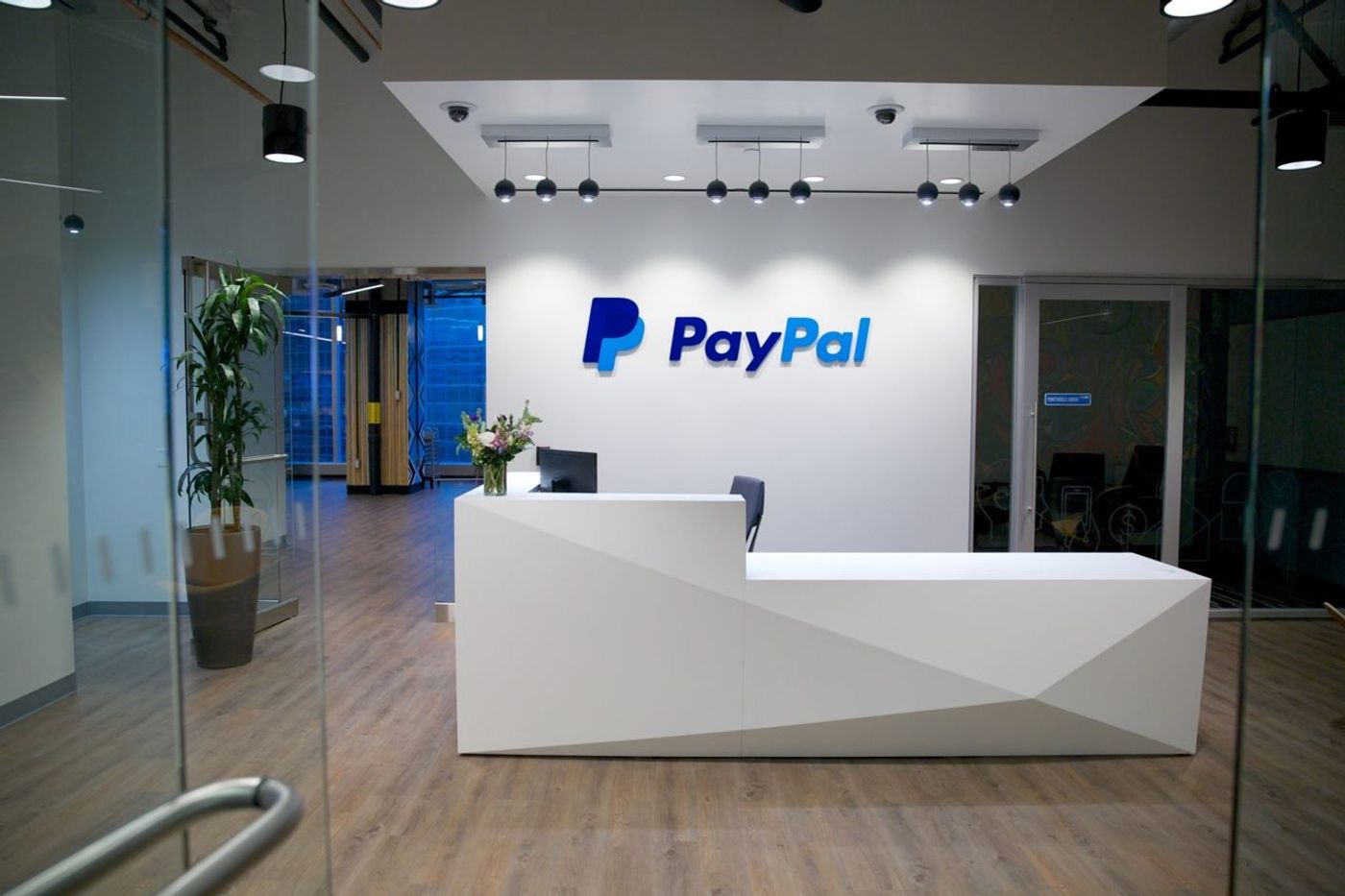
PayPal Seeks State Bank Charter as PYUSD Stablecoin Expands
Quick Answer
PayPal is reportedly exploring the option of obtaining a state chartered bank license in the United States as part of its broader strategy to expand and support its PYUSD stablecoin.
Key Facts
| Company | PayPal |
| Stablecoin | PYUSD |
| Backing | U.S. dollar |
| License Sought | State chartered bank license |
| Country | United States |
| Status | Reportedly being explored |
| Main Goal | More control over custody, settlement and reserve management |
| Potential Benefit | Less reliance on third-party banking partners |
PayPal's pursuit of a state chartered bank license would mark a significant step toward deeper regulatory alignment as traditional financial firms continue to integrate blockchain-based products.
The initiative highlights PayPal’s long-term commitment to stablecoins and regulated digital payments.
PayPal Deepens Its Stablecoin Strategy
PYUSD, PayPal’s U.S. dollar-backed stablecoin, was launched to facilitate on-chain payments, transfers, and settlement across blockchain networks. Since its introduction, PYUSD has steadily expanded its footprint within crypto markets and payment-related use cases.
By pursuing a state chartered bank license, PayPal would gain greater control over custody, settlement, and reserve management, potentially reducing reliance on third-party banking partners. Such a license could also enhance transparency and oversight, reinforcing confidence in the stablecoin’s backing and operational structure.
Why a Bank Charter Matters
State chartered bank licenses allow financial institutions to operate under a defined regulatory framework while offering access to core banking services. For a stablecoin issuer, this structure can streamline compliance with capital requirements, liquidity standards, and consumer protection rules.
Holding a bank charter could also improve PayPal’s ability to integrate PYUSD more tightly into its existing payment ecosystem, including merchant services and cross-border transactions. This would position PYUSD as a bridge between traditional finance and blockchain-based settlement.
Regulatory Context for Stablecoins
Stablecoins remain a focal point for regulators worldwide, particularly in the United States, where lawmakers continue to debate comprehensive frameworks governing issuance, reserves, and supervision.
PayPal’s move comes amid increasing scrutiny of stablecoin issuers and growing calls for clearer regulatory standards. By proactively seeking a banking license, PayPal may be aiming to align itself with anticipated regulatory requirements rather than reacting to future enforcement actions.
Industry observers view this approach as a signal that major fintech firms expect stablecoins to become a permanent component of the financial system.
Implications for the Crypto and Payments Markets
If successful, PayPal’s banking license could set a precedent for other stablecoin issuers and fintech companies. It may accelerate the convergence of traditional payments infrastructure and blockchain-based assets, blurring the line between banks, fintech firms, and crypto-native platforms.
For users, the move could translate into greater stability, improved settlement efficiency, and broader acceptance of PYUSD across payment channels.
Conclusion
PayPal’s reported pursuit of a state chartered bank license underscores the growing institutionalization of stablecoins. As PYUSD continues to expand, regulatory integration appears central to PayPal’s strategy to position the stablecoin as a compliant and scalable digital payment instrument.
The development reflects a broader trend in which established financial companies are embracing blockchain technology while seeking regulatory clarity and long-term sustainability.
How We Researched This
Methodology
This news piece summarises reports that PayPal is exploring a state chartered bank license in the United States to support its PYUSD stablecoin. Context on how a bank charter works, and on the wider regulatory debate over stablecoin issuance, reserves and supervision, reflects general industry commentary rather than new reporting. The move was reported, not confirmed as approved, so details may change as the process develops. Readers should check official PayPal and regulator announcements for current status. Nothing here is financial or investment advice.
FAQ
Frequently Asked Questions
Why is PayPal seeking a state chartered bank license?
What is PYUSD?
How would a bank charter help PYUSD?
Has PayPal received the bank license?
What could this mean for other stablecoin issuers?

Share This Post
Share this post for your chance to win!
Related Posts
Level up your knowledge
American Bitcoin (ABTC) Explained: What the Company Is
American Bitcoin (ABTC) is a Nasdaq listed Bitcoin mining and treasury company tied to Hut 8 and the Trump family. Here's what the company actually does, stated as fact, not opinion.
5 min read
Japan Reclassifies Crypto as Financial Asset 2026
Japan's parliament reclassified crypto as a financial asset and cut its top crypto tax rate from 55% to 20%, effective 2028. Here is what it signals globally.
5 min read

Alberta Opens Regulated iGaming 2026: What It Signals
Alberta's regulated iGaming market launched July 13, 2026 with 22 operators live, several running crypto and stablecoin deposit rails on layer two networks.
5 min read